

Written By Sason Bishope Parry
Long before electronic dance music festivals became big-money, massive spectacles featuring giant LED stages, fireworks, celebrity DJs, influencers, luxury sky decks, and crowds larger than many small cities, rave culture thrived deep underground. In the early 1990s, the rave scene was raw, mysterious, rebellious, alive, and filled with wonder and love. There were no polished festival apps, social media campaigns, or livestreams reaching millions around the globe. Back then, if you wanted to attend a rave, you usually found out through underground flyers distributed at record stores, street corners, skate shops, or after-hours clubs.

Sometimes, map points directed ravers to secret locations across Los Angeles, San Bernardino, San Francisco, or hidden pockets of the California desert. One destination would lead to another until, somewhere deep into the night, massive basslines echoed from abandoned warehouses, industrial buildings, or open-air lots and fields where hundreds, then thousands, gathered to dance until sunrise.
The Los Angeles rave movement quickly became one of the most important underground youth cultures in America. It was not simply about partying. It was about freedom, music, connection, self-expression, and escape from a world that often felt disconnected and chaotic. In those underground spaces, social barriers disappeared. People from every race, background, neighborhood, and lifestyle came together, united by rhythm and energy. House music, techno, trance, drum and bass, jungle, breakbeats, and experimental electronic sounds created the soundtrack for an entire generation searching for something bigger than themselves.

The Raw Energy of the Early Los Angeles Movement
Back then, the rave scene felt like an entirely different universe, hidden beneath the surface of everyday life. One night, you could be standing in line outside an abandoned warehouse in downtown Los Angeles or San Francisco, and the next, you would step into a sea of lights, fog, lasers, booming bass, and thousands of people dancing, sweating, and vibing as if nothing else in the world mattered. The stress of real life disappeared for a while. It did not matter whether someone was rich or poor, popular or overlooked, struggling or thriving, a misfit or a social butterfly, a music fan or a dance reveler. Inside those spaces, everyone became part of one giant, moving energy, connected by music and good vibes.

Sure, drugs were part of the scene, but they were not the scene itself. They were another form of escape for some, but not for everyone. That is one of the biggest misconceptions outsiders often have about rave culture. The media often focused only on that side of things, missing the movement’s deeper heartbeat. Raves were and will always be about the music, the unity and freedom that come from escaping the real world, even for a day, a weekend, or a few hours of dancing, beats, and love.

The Emotional Heartbeat and the Power of PLUR
For many, those nights were therapy before therapy was openly discussed. The dance floor became a place to release anxiety, heartbreak, loneliness, depression, pressure, trauma, and stress through movement and sound. A place to feel connected and part of something bigger. The DJs were not just playing songs. They were guiding emotional journeys that could lift thousands of people at once and bring them together. Some sets felt euphoric and uplifting. Others felt dark, hypnotic, emotional, or deeply tribal and spiritual. Every rave carried its own energy, personality, and unforgettable memories.

The culture also fostered lifelong friendships, relationships, and communities. Complete strangers hugged, traded kandi bracelets, shared water, checked on one another, and formed bonds that sometimes lasted decades. That is why the rave scene never truly disappeared. It evolved and expanded. What began in underground warehouses eventually exploded into massive festivals, global tours, and billion-dollar productions, yet the emotional core remained the same. Superstar DJs and producers became household names and were dubbed by many as the new rock stars. Beneath the giant stages, fireworks, and lasers, people are still searching for the same feeling the early rave scene gave them all those years ago: connection, freedom, release, and the chance to lose themselves in music beneath the electric sky.
And at the heart of the culture was the philosophy known worldwide today as PLUR: Peace, Love, Unity, and Respect. It became more than a slogan. It became the emotional heartbeat of rave culture and a way of life. For many ravers, these events were not just parties. They were safe spaces where people could forget their problems and simply feel alive for one unforgettable night beneath flashing strobes, pounding bass, and a tribe of like-minded people.

Pasquale Rotella and the Immersive Vision of Insomniac
One of the young visionaries deeply inspired by that movement was Pasquale Rotella. Long before becoming one of the most influential figures in electronic music culture, Rotella was simply another rave kid fascinated by the power of music and community. He understood something many outsiders failed to see. Raves were not just chaotic gatherings or late-night parties. They were emotional experiences, places where people connected through art, sound, freedom, imagination, love, and energy. Rotella saw the potential to build something far bigger than a single underground event. He envisioned entire worlds people could step into and lose themselves in.
That vision became Insomniac. What began as small-scale productions gradually evolved into larger, more ambitious events as the rave scene continued to grow across California. Rotella understood early on that attendees were not just paying to hear DJs. They were chasing feelings, experiences, memories, visuals, atmosphere, and connection. While many promoters focused solely on music, Insomniac created immersive environments that
transported attendees into another reality, a dream world where they could essentially become anyone they wanted to be.
That dream eventually became Electric Daisy Carnival, now known worldwide as EDC and as Pasquale and Insomniac’s signature event. The earliest versions of EDC were nothing like the massive phenomenon fans know today. In the beginning, it was a much smaller one-day Southern California rave that blended electronic music with carnival themes, colorful performers, art installations, imaginative stage designs, and a level of visual creativity rarely seen at dance events at the time. Even then, the DNA of modern EDC was already present. Rotella wanted attendees to feel wonder the moment they entered the gates. He wanted the experience to make everyone feel larger than life, eventually dubbing all attendees the “Headliners.”

From Underground Warehouses to Mainstream Stardom
As the late 1990s gave way to the early 2000s, electronic music culture exploded worldwide. Dance music gradually moved from underground warehouses into the mainstream. European festivals inspired larger-scale productions across America, while technological advances transformed live events. Giant LED walls replaced primitive lighting systems. Sound systems became more immersive and powerful. Pyrotechnics grew more elaborate. Visual effects became cinematic. Festivals stopped feeling like simple concerts and began resembling giant interactive worlds with multiple stages and environments.
At the same time, electronic music itself was evolving rapidly. Genres expanded in every direction imaginable. House, techno, trance, progressive house, drum and bass, dubstep, hardstyle, psytrance, melodic bass, tech house, electronic rock, mashups, and experimental electronic sounds all developed massive global followings. Live electronic music followed, with electronic bands like the Prodigy, Daft Punk, Underworld, and the Chemical Brothers leading the pack. DJs continued to evolve, becoming worldwide superstar producers and mix masters capable of selling out arenas and headlining major festivals. DJs such as Tiësto, David Guetta, Paul Oakenfold, Calvin Harris, Skrillex, Kaskade, and Deadmau5 helped catapult EDM into mainstream radio, the global charts, Las Vegas residencies, and pop culture itself.
The Astonishing Growth and Historic Move to Las Vegas
Meanwhile, EDC was growing at an astonishing pace. What began as a regional rave evolved into a national phenomenon and, eventually, an international pilgrimage for dance music lovers worldwide. Each year, the stages grew larger, the visuals more advanced, and the crowds even bigger. Yet somehow, despite the expansion and commercialization of modern dance music culture, EDC continued to hold onto the emotional spirit of the underground rave movement that inspired Pasquale and the movement itself.
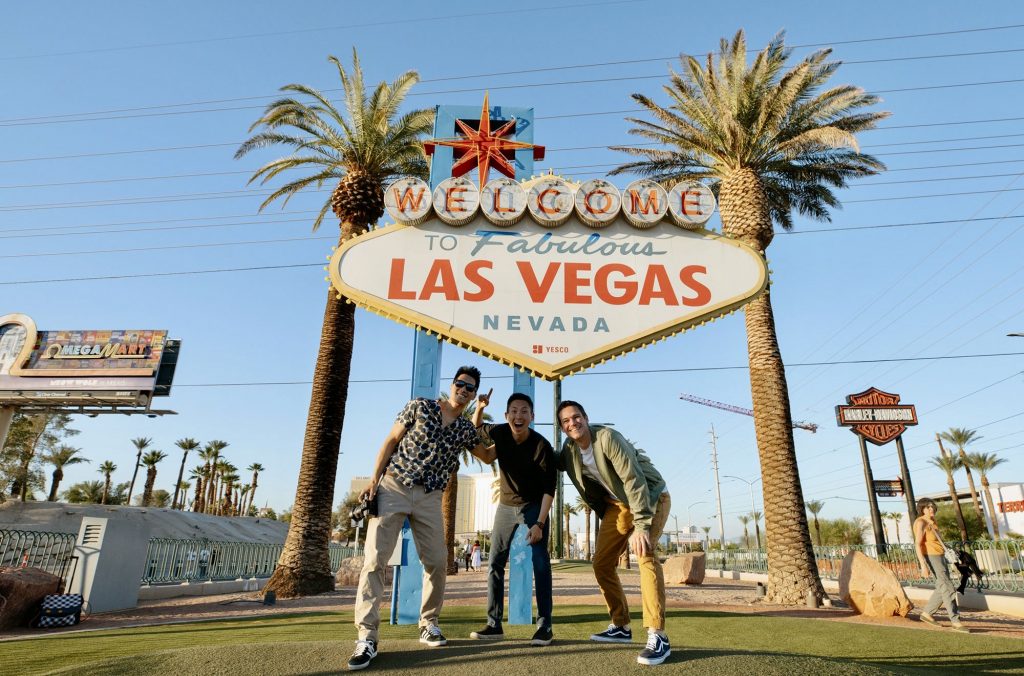
The festival’s 2011 move from the Los Angeles sports arena to the Las Vegas Motor Speedway became a defining moment in its history. Las Vegas proved to be the perfect setting for EDC’s transformation into a full-scale fantasy universe, and the move was brilliant. The Speedway allowed Pasquale and his Insomniac team to fully unleash its creativity, with gigantic stages, fireworks visible for miles, carnival rides towering over the

crowds, roaming performers, massive art installations, immersive tunnels, and production levels unlike almost anything seen before at American music festivals.
Las Vegas and the Birth of a Modern Fantasy Universe
EDC no longer felt like simply attending a concert. It felt like stepping into another dimension of sound, sight, and fantasy. Fast-forward to 2026, and EDC Las Vegas has become one of the largest music festivals on Earth. This year’s sold-out 30th-anniversary celebration welcomed more than 170,000 attendees per night beneath the glowing electric sky. Think about that for a moment. A culture once forced underground now fills an entire speedway with hundreds of thousands of people traveling from nearly every corner of the planet. Airports across Las Vegas overflow with ravers wearing kandi bracelets, glitter, neon outfits, and festival gear as the city transforms into the global capital of dance music for an entire weekend, pumping 100s of millions into the Vegas economy.
EDC has become far more than music. It is now a living, breathing universe of sound, art, technology, fashion, creativity, and human connection. Giant kinetic stages pulse with synchronized visuals and flames. Fireworks explode nightly above massive crowds dancing until sunrise. Art cars cruise the Speedway, blasting bass into the desert air. Acrobats soar overhead as carnival rides spin across the skyline. Every corner of EDC pulses with movement, color, energy, music, and imagination.
The Global Expansion of Insomniac and the Endurance of PLUR
The rise of Insomniac alongside EDC has been equally remarkable. Today, Insomniac is among the most powerful electronic music event companies in the world, producing festivals and experiences across multiple continents. Through its partnership with Live Nation, which acquired a 50% stake in the company, Insomniac has expanded globally and helped electronic music culture become a dominant force in modern entertainment.

Yet even amid its massive success, longtime ravers often say the heart and soul of EDC still feels familiar. The music still has the power to bring complete strangers together. The dance floor still creates rare moments of unity and human connection that feel bigger than everyday life. And somehow, beneath the giant stages, endless lasers, fireworks, towering LED screens, and massive crowds, PLUR still endures. The reason is simple.
Even with a massive global staff, major corporate partnerships, and one of the biggest electronic music brands in the world, Pasquale Rotella remains at the center of it all, a young rave kid at heart who never stopped believing in the magic of the culture that changed his life. More than just a businessman or festival founder, Rotella remains the creative force and visionary steering the EDC experience forward year after year. His passion for dance music never fades, and he constantly reminds fans that, before anything else, he is and always will be a lifelong raver.
Dusk till Dawn: Expanding into a Two-Weekend Phenomenon
Now, after celebrating its historic 30-year milestone, EDC is preparing to enter what is perhaps the most ambitious chapter in its history. In 2027, Insomniac will officially expand EDC Las Vegas into a groundbreaking two-weekend experience called Dusk till Dawn. The first weekend, EDC Dusk, will take place May 14 through 16. The second weekend, EDC Dawn, will follow May 21 through 23. Together, the experience will run from May 13 through
May 24, with additional immersive programming, activations, and events expected throughout Las Vegas.
The expansion marks a historic moment not only for EDC but for electronic music culture itself. Never before has a dance music festival attempted something on this scale in Las Vegas. Fans will now have the option to attend either one weekend or both, potentially creating two distinct festival experiences featuring different stage themes, artist lineups, surprise performances, and citywide events.
And make no mistake, Las Vegas is preparing for absolute madness. Across the city, hotels, casinos, nightclubs, pool parties, restaurants, rideshare services, and nightlife venues are expected to feel the impact of hundreds of thousands of dance music fans flooding into Vegas over two consecutive weekends. Many insiders already believe the Dusk Till Dawn concept could become one of the biggest annual entertainment events Las Vegas has ever hosted.
Between official EDC programming and the endless wave of unofficial afterparties, rooftop events, secret sets, pool festivals, and artist showcases likely to take over the city between weekends, Las Vegas may essentially transform into one giant nonstop rave playground for nearly two full weeks.

Interestingly, Insomniac also announced that the new format aims to reduce crowd density, offer fans a 2-for-1 price, and improve the overall attendee experience. By splitting the event across two weekends, organizers hope to create more space throughout the Speedway and ease pressure on transportation and hotel accommodations. If successful, the expansion could serve as a blueprint for the future of mega festivals worldwide.
The Survival and Cultural Legacy of the Underground Spirit
Still, beyond the business headlines, fireworks, celebrity DJs, and massive production budgets, perhaps the most fascinating aspect of EDC’s evolution is what it represents emotionally and culturally. It represents survival. A movement once misunderstood, criticized, and driven underground has grown into one of the world’s most influential music cultures. What began in hidden warehouses and secret map coordinates has evolved into a global phenomenon that brings together hundreds of thousands of people through music, art, and shared energy.
And somehow, through all the growth and commercialization, the original spirit endures. People still come searching for connection. They still come searching for freedom. They still come searching for those unforgettable moments when the bass drops, the lights explode, and complete strangers suddenly feel united beneath the electric sky.
Thirty years after its underground origins, EDC is no longer simply a rave. It is history. It is culture. It is a movement. And in 2027, it may be preparing for its biggest chapter yet.